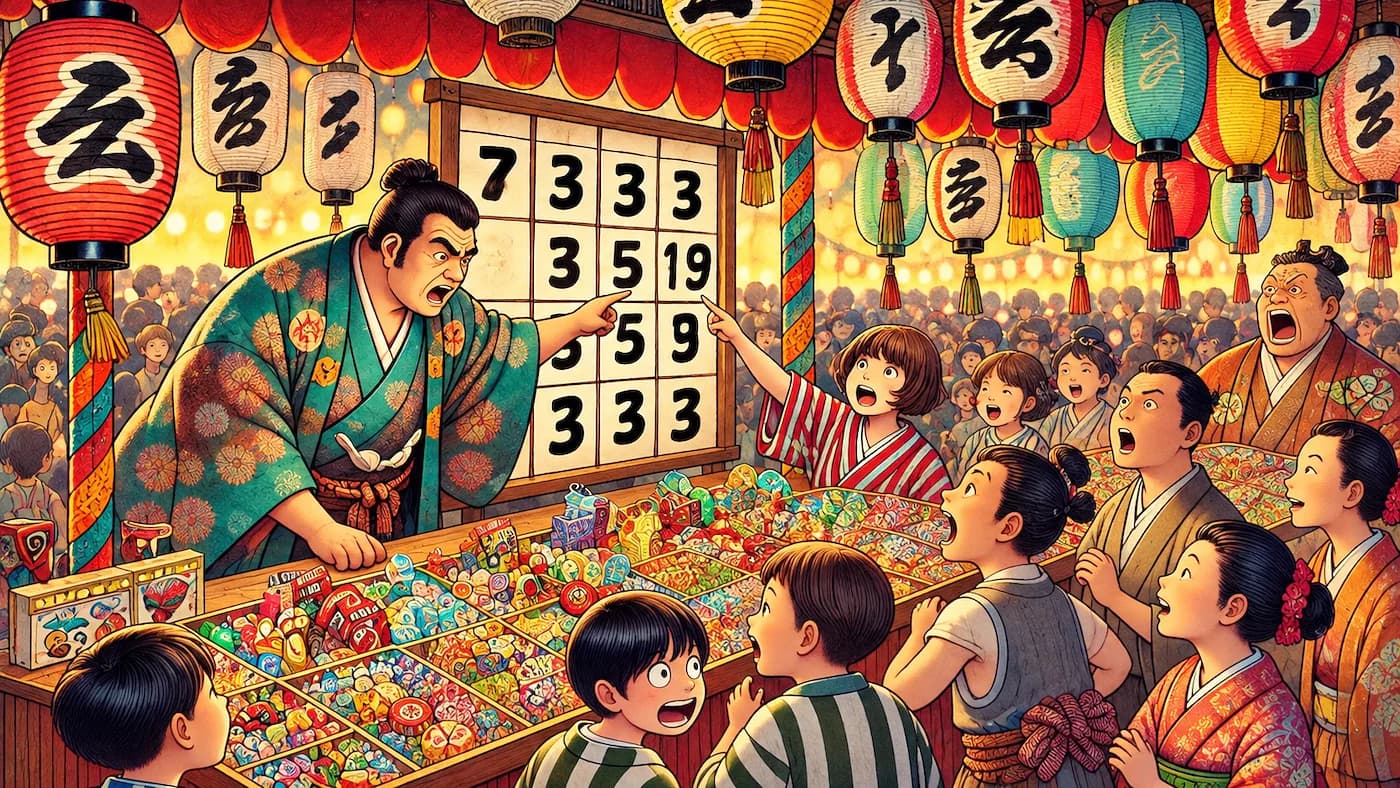
In everyday Japanese, Arabic numerals (1, 2, 3) are the most common. You'll see them in prices, dates, times, addresses and phone numbers, and in most horizontal text. Kanji numerals (一, 二, 三) are used in vertical writing, in names and set words like 一人 (ひとり, one person) and 三日月 (みかづき, crescent moon), and in more traditional or formal settings. Contracts and financial documents sometimes use special formal numerals such as 壱 (1), 弐 (2) and 参 (3), which are harder to alter.
When you count objects, Japanese adds a counter word after the number, and the reading can change: 一つ (ひとつ), 一人 (ひとり), 三本 (さんぼん). The counter guides linked below cover the ones you'll use most.